
Small Business Saturday: A Guide to Shopping Small
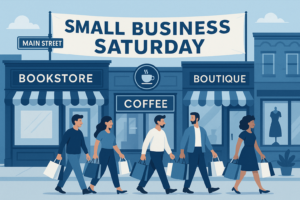
Small Business Saturday is more than a clever hashtag. It grew out of a real need to support local entrepreneurs during the holiday rush, especially after the Great Recession. Launched in 2010 by American Express and later co-sponsored by the U.S. Small Business Administration, it has become a nationwide movement encouraging people to “Shop Small” the Saturday after Thanksgiving.
How to Make the Most of This Small Business Saturday
To make the most of Small Business Saturday, take a few minutes to plan your day with intention. Start by mapping out a neighborhood route that includes a mix of local shops, markets, and restaurants you’ve been meaning to visit. Bring your holiday gift list and challenge yourself to source as many items as possible from small, independent businesses. Consider purchasing at least one local experience such as a class, workshop, or membership that supports community-based organizations while giving a meaningful, memorable gift. As you explore, share your stops on social media and tag the businesses to help boost their visibility during one of the busiest shopping weekends of the year. #SmallBusinessSaturday Before the day wraps up, leave a few positive online reviews and add your new favorites to your “local first” list so you can continue supporting them long after the holiday season.
By the Numbers: The Outsized Impact of Small Businesses
The U.S. has roughly 36.2 million small businesses, they employ about 46 percent of private-sector workers, and small businesses create the majority of net new jobs nationwide.
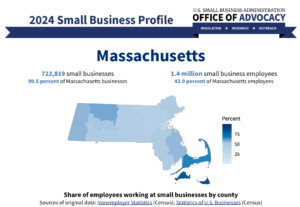
In Massachusetts there are approximately 700,000 small businesses operating in MA. They make up about 99.5 percent of all MA businesses and employ roughly 1.4 to 1.5 million workers.
Boston’s small business community is vibrant and deeply rooted, with more than 19,000 small businesses operating across the city. These locally owned restaurants, retailers, manufacturers, and service providers are the backbone of Boston’s neighborhoods, collectively employing over 129,000 people. Their presence not only drives economic activity, but also shapes the character, culture, and daily life of the communities they serve.
The Growing Threats Facing Small Businesses
Despite their economic importance, small businesses continue to face significant challenges. Many have not fully recovered from the lasting impacts of COVID-19, including lost revenue, supply chain disruptions, inflation-driven costs, and shifts in consumer behavior. The rise of online shopping (especially the dominance of large marketplaces offering fast shipping and artificially low prices) has made it harder for small retailers to compete. Commercial rents in cities like Boston continue to climb, and labor shortages have stretched already thin teams. These pressures make it more important than ever for consumers to intentionally choose small businesses. They are the heartbeat of our communities: they create local jobs, activate vibrant main streets, sponsor neighborhood events, and reinvest their earnings back into the local economy. Supporting them is not simply a feel-good gesture, it is a critical responsibility that sustains the cultural and economic fabric of our communities.
How to Support Small Businesses: In Person and Online
You can support small businesses in person by visiting neighborhood boutiques, bookstores, toy stores, gift shops, and artisan markets as you check off your shopping list. Choosing locally owned restaurants, cafés, and bakeries for meals or coffee breaks also makes a meaningful impact. Beyond retail and dining, consider booking services with independent providers and gifting local experiences such as classes, tours, or memberships that help sustain community-based organizations and creators.
Supporting small businesses online is just as important. Whenever possible, shop directly from a small business’s website rather than a large marketplace to ensure more of your dollars reach the business itself. Use local directories, social media, and community groups to discover small brands you may not find otherwise. And remember that leaving positive reviews, sharing posts, and tagging businesses in your own content are powerful, no-cost ways to increase their visibility and help them reach new customers.
How to Verify You Are Truly Shopping Small Online
When shopping on Amazon or other large marketplaces, take a moment to confirm whether you’re truly supporting a small business. Check the “Sold by” information and review the seller’s profile to learn more about who you’re buying from. Look for small business badges when they’re available, and consider searching for the seller’s standalone website to verify they are an independent brand. Be mindful of private-label companies that market themselves as small shops but are actually large distributors. Whenever possible, choose sellers that offer local pickup or delivery options, which is often a good indicator that you’re supporting a real local business.
If you’re ordering meals or treats through delivery apps, use filters or search terms to identify locally owned businesses rather than major chains. Many restaurants are charged significant fees by third-party platforms, so if you’re able, order directly from the restaurant’s website or by phone. Prioritizing independent eateries not only helps preserve local food culture but also keeps more revenue within the community.
Building a Sustainable Small Business Shopping Practice
You can build a sustainable habit of supporting small businesses by starting with just a few categories, such as gifts, books, or dining, and committing to shop locally whenever possible. Keeping a running “local first” list on your phone makes it easy to remember your favorite spots and discover new ones. Consider shifting recurring purchases to small business subscriptions and setting a modest monthly “Main Street budget” to ensure consistent support. When comparing options, think about long-term value rather than just the lowest price, and make a point to support diverse and emerging local founders whose businesses enrich the cultural and economic fabric of the community.
Small Business Saturday is a reminder that every purchase is a choice about the kind of community we want to build. By showing up for the entrepreneurs who fuel our neighborhoods, today and throughout the year, we help sustain local jobs, preserve the character of our main streets, and strengthen the economic fabric that makes our cities and towns vibrant. We hope this guide inspires you to explore, discover, and support the small businesses that make Massachusetts and Greater Boston so special. We’re heading out on our own Small Business Saturday adventure and encourage you to do the same. Shop small today, tomorrow, and every day you can.
Trident Legal is proud to support and serve the small business community, and our practice is intentionally designed around the needs of small businesses and startups. If you’re thinking about launching, growing, or protecting your business, we are here to help you build a strong legal foundation for long-term success.
This content is provided for general informational and educational purposes only and does not constitute legal advice. By using this site, you understand that no attorney–client relationship is formed between you and Trident Legal LLC or its representatives. You should not rely on this information as a substitute for competent legal advice from a licensed attorney in your jurisdiction who is familiar with the facts and circumstances of your specific situation.